
Odd Stories: How a Cat Purchase Became a Wildlife Crime Investigation
Odd stories often become popular because they seem impossible to believe. Every year, unusual events from around the world capture public attention and spread rapidly across news websites and social media. Some involve mistaken identities, others involve incredible coincidences, and a few reveal hidden problems that nobody expected to uncover.
One of the most remarkable odd stories in recent years began with what appeared to be a simple online pet purchase.
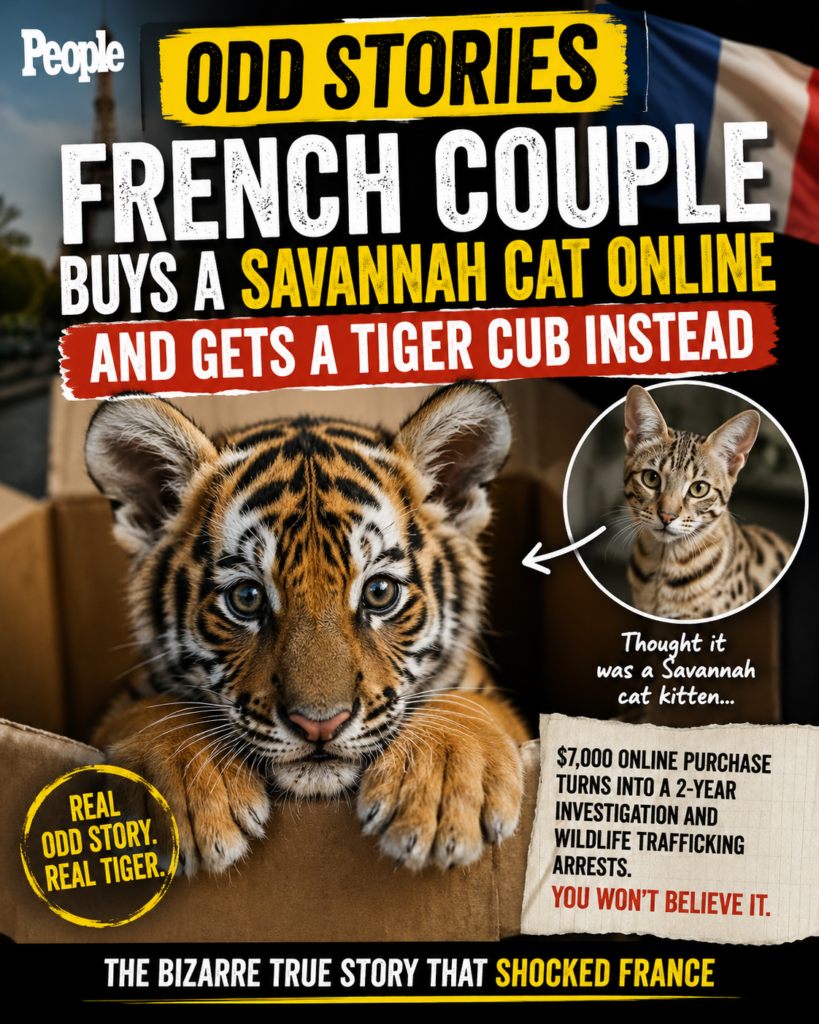
A couple in France believed they had found the perfect exotic pet. After browsing online advertisements, they decided to purchase a Savannah cat kitten for approximately $7,000. Savannah cats are considered highly desirable among exotic pet enthusiasts because of their wild appearance and unique heritage. The breed is created by crossing a domestic cat with an African serval, giving it a distinctive look that resembles a small wild feline.
The couple expected to receive a rare but legal pet.
Instead, they received something entirely different.
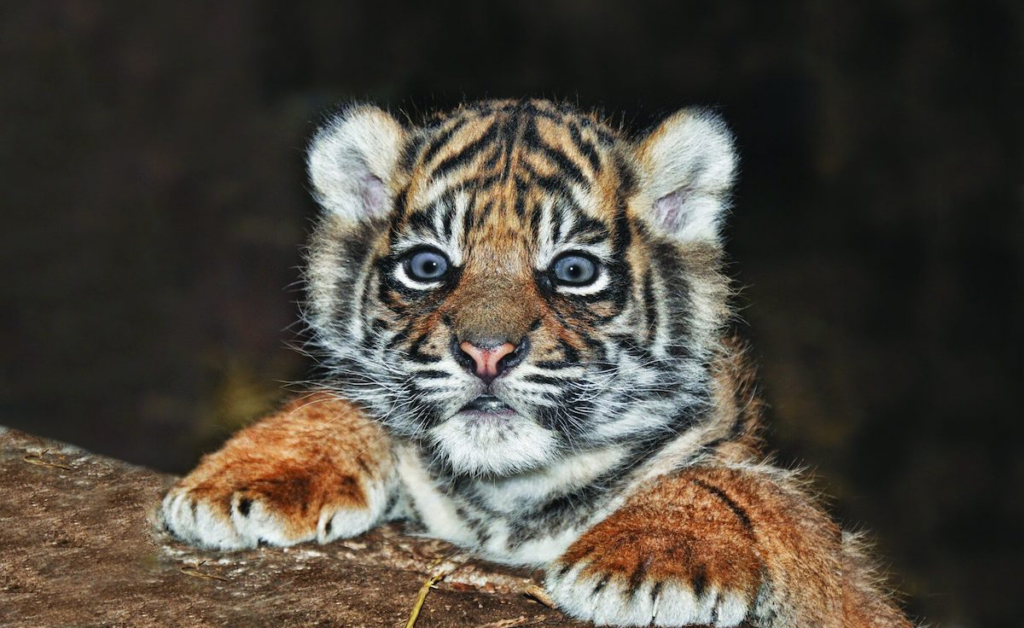
The animal delivered to them was not a Savannah cat at all. It was a tiger cub.
What began as a surprising mistake quickly developed into one of the most unusual odd stories involving wildlife trafficking, endangered species, and international law enforcement. The discovery triggered a lengthy investigation that would ultimately expose individuals suspected of participating in the illegal trade of protected animals.
While the story may sound amusing at first, conservation experts say it highlights serious issues involving wildlife crime and the protection of endangered species. Behind the shocking headline lies a reminder that illegal animal trafficking remains a global challenge affecting countless species around the world.
The Online Purchase That Shocked Everyone
According to reports from United Press International, the French couple responded to an online advertisement in 2018 offering a Savannah cat for sale. Savannah cats are known for their elegant appearance, long legs, spotted coats, and high level of intelligence.
Because of their rarity, Savannah cats can be expensive. Prices often reach thousands of dollars depending on lineage and generation.
The couple paid approximately $7,000 believing they were purchasing one of these unusual pets. Everything appeared normal during the transaction. The advertisement seemed legitimate, and there was no immediate indication that anything was wrong.
However, after receiving the animal, concerns began to emerge.
The kitten did not behave exactly like a domestic cat. Its physical features also raised questions. Eventually, authorities became involved and confirmed what many would never expect: the animal was actually a tiger cub.
The revelation transformed a routine pet purchase into a major wildlife investigation.
Authorities immediately recognized the seriousness of the situation. While Savannah cats can legally be owned under certain circumstances in France, tigers are protected animals subject to strict international regulations.
As investigators looked deeper into the case, they realized the incident might be connected to a larger network involved in the illegal sale and transportation of wildlife.
Why Savannah Cats Are Often Confused With Wild Animals
Part of what makes this one of the most fascinating odd stories is that Savannah cats genuinely resemble wild animals.
The breed was first developed during the 1980s and quickly gained popularity among exotic pet enthusiasts. Because Savannah cats are descended from African servals, they inherit many physical characteristics associated with wild felines.
They typically have:
- Long legs
- Large ears
- Spotted coats
- Lean bodies
- Exceptional jumping ability
To an inexperienced observer, a Savannah cat can appear significantly more exotic than a typical house cat.
However, there are major differences between Savannah cats and tigers.
Tigers belong to an entirely different category of animal. They are among the largest predators on Earth and possess physical characteristics that become increasingly obvious as they mature.
Wildlife experts often warn that unusual animal purchases should be carefully verified because appearances can sometimes be misleading. In rare situations, illegal traders exploit buyers’ lack of expertise to facilitate the sale of protected species.
This appears to have been one of those situations.
The Investigation Into Illegal Wildlife Trafficking

After authorities confirmed that the animal was a tiger cub, investigators launched a detailed inquiry into how the sale occurred.
The investigation lasted approximately two years.
Law enforcement officials sought to determine where the tiger originated, who arranged the transaction, how the animal entered the country, and whether additional protected animals were being sold through similar channels.
Wildlife trafficking cases are often extremely complex.
Unlike traditional crimes, illegal animal trade frequently crosses international borders and involves multiple individuals performing different roles. Breeders, transporters, sellers, document forgers, and buyers may all be located in different countries.
As investigators collected evidence, they discovered connections that extended beyond a single transaction.
Reports later indicated that nine individuals were arrested in connection with the buying and selling of the tiger. Authorities suspected these individuals had participated in activities related to the illegal wildlife trade.
The couple who purchased the animal were also questioned during the investigation. However, reports indicate they were later discharged after cooperating with authorities.
The tiger itself was transferred to the care of the French Agency for Biodiversity, ensuring that it could receive appropriate care in a regulated environment.
Understanding the Global Wildlife Trade
Many people assume stories involving illegal animal sales are rare. Unfortunately, conservation experts say wildlife trafficking is a widespread international problem.
In fact, illegal wildlife trade is considered one of the largest criminal industries in the world.
Criminal organizations generate billions of dollars annually by capturing, breeding, transporting, and selling protected species.
Animals targeted by traffickers include:
- Tigers
- Lions
- Leopards
- Primates
- Exotic birds
- Reptiles
- Amphibians
- Marine species
Some animals are sold as exotic pets, while others are trafficked for traditional medicine, decorative products, or private collections.
The rise of digital marketplaces has created additional challenges.
Years ago, wildlife traffickers relied heavily on physical markets and direct contacts. Today, online platforms allow sellers to advertise animals to buyers located almost anywhere in the world.
This increased accessibility has made enforcement more difficult.
Conservation organizations regularly work with governments and technology companies to identify suspicious listings and remove illegal advertisements before transactions occur.
Why This Is One of the Most Remarkable Odd Stories of the Year
One reason this story attracted global attention is that the tiger involved belongs to one of the world’s most endangered tiger populations.
The Sumatran tiger lives exclusively on the Indonesian island of Sumatra.
It is the smallest surviving tiger subspecies and has adapted to dense tropical forests that differ significantly from the habitats occupied by other tiger populations.
Conservation groups estimate that fewer than 400 Sumatran tigers remain in the wild.
That number is alarmingly low.
Every individual tiger matters because the population has already experienced dramatic declines over several decades.
Scientists consider the species critically endangered, meaning it faces an extremely high risk of extinction if current threats continue.
The survival of the Sumatran tiger depends on successful conservation efforts, stronger enforcement of wildlife protection laws, and increased public awareness.
Habitat Loss and Deforestation
Habitat destruction represents one of the greatest threats facing Sumatran tigers today.
Large sections of Indonesia’s forests have been cleared to make room for agriculture, plantations, roads, and other forms of development.
As forests disappear, tiger populations become increasingly isolated.
This creates several problems.
First, tigers require large territories to hunt and reproduce. Reduced habitat means fewer resources are available.
Second, fragmented populations experience reduced genetic diversity. When isolated groups cannot interact, long-term survival becomes more difficult.
Third, human-wildlife conflict becomes more common.
As forests shrink, tigers sometimes encounter villages, farms, and livestock operations. These interactions can result in injuries or deaths for both humans and animals.
Conservation organizations continue working to protect critical habitat areas and establish wildlife corridors that allow animals to move safely between regions.
How Odd Stories Can Expose Global Wildlife Trafficking
In addition to habitat loss, poaching remains a serious threat.
Tigers have long been targeted by illegal hunters.
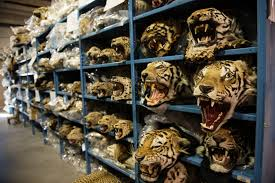
Their skins, bones, claws, teeth, and other body parts are sold through black markets despite international regulations designed to protect the species.
Even when poachers are targeting other animals, tigers can become accidental victims.
Wire snares placed throughout forests frequently injure or kill endangered predators.
Because tiger populations are already small, the loss of even a few individuals can have significant consequences.
Conservation experts emphasize that reducing demand for tiger products is just as important as improving enforcement.
Without demand, illegal markets become less profitable.
The Challenges of Exotic Pet Ownership
Many odd stories involving animals begin with good intentions.
People are fascinated by unusual creatures and may dream of owning something rare or exotic.
However, wildlife specialists consistently warn that exotic animals are not suitable pets for most households.
Animals such as tigers have highly specialized needs.
They require:
- Large secure enclosures
- Veterinary expertise
- Specialized diets
- Environmental enrichment
- Significant financial resources
A tiger cub may appear manageable for a short period of time, but it quickly grows into a powerful predator weighing hundreds of pounds.
Even experienced handlers face challenges when caring for large cats.
For ordinary pet owners, providing appropriate care is often impossible.
As a result, many exotic animals end up abandoned, surrendered, or placed in sanctuaries.
The French tiger cub case serves as an example of why regulations surrounding exotic animals exist in the first place.
How Online Platforms Are Responding
Technology companies have increasingly recognized their role in preventing wildlife trafficking.
Many online platforms now prohibit the sale of protected animals.
Artificial intelligence systems, human moderators, and partnerships with conservation organizations help identify suspicious listings.
Despite these efforts, traffickers continuously adapt their methods.
They may use coded language, private groups, or alternative communication channels to avoid detection.
This ongoing challenge requires constant monitoring and cooperation between governments, businesses, and conservation groups.
Public awareness also plays an important role.
The more consumers understand wildlife trafficking, the less likely they are to unknowingly support illegal markets.
Lessons From One of the Most Memorable Odd Stories
Among the countless odd stories reported each year, this case remains particularly memorable because of its unexpected twist.
A couple believed they were purchasing a cat.
Instead, they received a critically endangered tiger.
Yet the significance of the story extends beyond its surprising headline.
The incident exposed concerns about wildlife trafficking, highlighted the vulnerability of endangered species, and demonstrated the importance of public cooperation with authorities.
Had the couple ignored their concerns, investigators might never have uncovered the broader network connected to the animal’s sale.
Instead, their actions contributed to a significant investigation and increased awareness of illegal wildlife trade.
Among recent odd stories, few have attracted as much attention as this unusual tiger cub case. While many odd stories are entertaining, some odd stories reveal important issues affecting wildlife conservation. This is one of those odd stories that combines surprise, mystery, and a serious message. Readers who enjoy odd stories are often drawn to unexpected twists, and few odd stories contain a twist as surprising as receiving a tiger instead of a cat.
Looking Ahead
The future of the Sumatran tiger remains uncertain.
Conservation organizations continue working to protect habitat, reduce poaching, strengthen wildlife laws, and educate the public about endangered species.
Progress is possible, but challenges remain.
Cases like the French tiger cub incident demonstrate both the dangers facing wildlife and the importance of vigilance.
Although it began as one of the world’s strangest odd stories, the event ultimately became a powerful reminder that protecting endangered species requires international cooperation, responsible consumer behavior, and strong law enforcement efforts.
For readers who enjoy odd stories, the tale offers an unforgettable surprise. For conservationists, it serves as a warning about the ongoing threats posed by wildlife trafficking.
And for the rest of the world, it proves that sometimes the strangest headlines reveal the most important truths.
As far as odd stories go, this case is difficult to forget. Unlike many odd stories that disappear after a few news cycles, this story led to arrests and a major investigation. Conservation experts hope that sharing odd stories like this can raise awareness about endangered species and illegal wildlife trafficking. While readers may remember it as one of the strangest odd stories ever reported, its impact extends far beyond an unusual headline.